Updated 24 September 2026. Exercise is good for health, and research suggests it can influence digestion and the gut microbiome. But the relationship is not as simple as “exercise boosts good bacteria” or “more intense training means a healthier gut”.
This guide explains what human research actually shows, why moderate activity may support bowel function, why very intense exercise can sometimes trigger gastrointestinal symptoms, and how to build an exercise routine that supports health without turning the microbiome into another fitness target.
What do we actually know about exercise and the gut microbiome?
The gut microbiome changes in response to many factors, including diet, medicines, illness, age and physical activity. Exercise is one of those influences, but the direction and size of the effect vary substantially between people.
A 2024 systematic review and meta-analysis of exercise interventions in adults found a small increase in one measure of gut microbial diversity, with changes in the relative abundance of some bacterial groups. The authors also noted that more research is needed because exercise programmes, populations and microbiome methods differ.
A newer 2026 systematic review of exercise, nutrition and the gut microbiota found that changes in microbial diversity and composition were highly variable and often minimal, with limited evidence connecting microbiome changes to better exercise performance.
So the evidence supports “exercise can influence the microbiome”, not “exercise reliably creates a superior gut microbiome”.
1. Moderate activity can support bowel motility
Regular movement can help stimulate the digestive tract and may support more regular bowel habits. Walking is often a practical starting point for people who are sedentary.
You do not need a special “gut workout”. Brisk walking, cycling, swimming and ordinary aerobic activity can all contribute. If you are currently inactive, our six-week walking plan for beginners starts with short, gradual sessions.
2. Exercise may affect the microbiome, but diet still matters
Active people often eat differently from sedentary people. That makes exercise-and-microbiome research difficult to interpret because diet itself strongly affects the gut environment.
If someone begins exercising and also starts eating more fibre, protein and whole foods, it is difficult to attribute every microbiome change to the exercise alone.
This is one reason human trials are more useful than comparisons between elite athletes and inactive controls. Athletes differ in diet, body composition, training load, sleep and many other factors.
3. Strength training is valuable even without a special microbiome effect
Resistance training supports muscle, bone health, physical function and long-term independence. Those benefits are strong enough without claiming that lifting weights “feeds good bacteria”.
The evidence on resistance training and the gut microbiome is still developing. Some studies report changes in microbial composition or diversity, but findings are not consistent enough to prescribe a certain number of sets or repetitions for gut health.
Do strength training because it is good for strength and function. If it also contributes to beneficial microbiome changes, that is a possible additional effect—not the main reason.
4. Walking after meals can feel helpful, but it is not a digestive cure
A short walk after eating can be a comfortable way to add activity and may help some people feel less sluggish after a meal.
It should not be presented as a treatment for reflux, IBS, constipation or bloating in every person. Some symptoms may worsen with activity immediately after a large meal.
If walking after meals suits you, keep the intensity easy to moderate and pay attention to your own response.
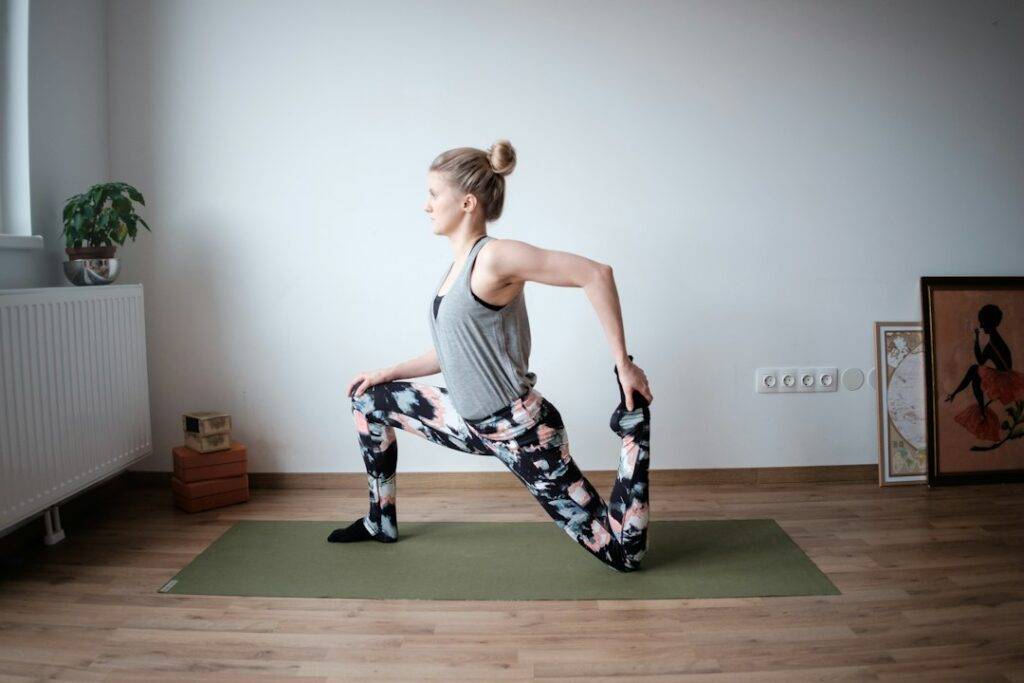
5. Yoga can support movement and stress management
Yoga combines movement, breathing and flexibility and may help some people manage stress or functional gastrointestinal symptoms.
That does not mean yoga “detoxifies the gut” or mechanically massages toxins out of the digestive system.
If yoga helps you stay active and feel calmer, those are legitimate benefits. Choose a style appropriate to your mobility, pregnancy status, injuries and fitness level.
6. High-intensity exercise is not automatically better for the gut
Long or very intense exercise can cause gastrointestinal symptoms in some people, including nausea, abdominal pain, urgency and diarrhoea.
A 2025 systematic review of exercise-related gastrointestinal disorders describes a complex relationship: regular moderate exercise can support gastrointestinal function, while prolonged or high-intensity exercise can increase symptoms through changes in blood flow, heat stress, hydration and intestinal permeability.
This is particularly relevant to endurance events, long runs and hard training in hot conditions.
7. Hydration matters during exercise
Dehydration can worsen exercise tolerance and may contribute to gastrointestinal discomfort during longer or harder sessions.
For ordinary activity, water is usually sufficient. Long-duration endurance exercise or heavy sweating may require more structured fluid and electrolyte replacement.
You do not need a sports drink for every short workout, and drinking excessive fluid can also cause problems. Match fluid intake to the activity and your individual needs.
8. Meal timing can influence exercise-related gut symptoms
A large meal immediately before intense exercise can increase discomfort for some people. High-fat, high-fibre or very large meals may be especially difficult before running or high-impact activity.
If exercise regularly causes nausea, cramping or urgency, experiment with the timing and size of pre-exercise meals rather than assuming you have a “bad microbiome”.
Endurance athletes with persistent symptoms may benefit from sports-dietetic advice.
9. Fibre remains important, but timing may need adjustment around exercise
Fibre supports bowel health, but very high-fibre meals immediately before prolonged exercise can worsen gastrointestinal symptoms in some people.
That does not mean athletes should avoid fibre generally. It means overall diet and event timing need to be considered separately.
For most adults, the NHS target of around 30 grams of fibre per day remains a useful population-level goal.
10. Exercise is not a treatment for every digestive condition
Physical activity can support health, but it does not replace medical treatment for inflammatory bowel disease, coeliac disease, gastrointestinal bleeding, severe reflux or other diagnosed conditions.
If you have a gastrointestinal condition, choose activity that fits your symptoms and treatment plan. During a flare or acute illness, exercise needs may be different.
IBS and inflammatory bowel disease are not the same thing
IBS is a disorder of gut-brain interaction that can cause abdominal pain, bloating and altered bowel habits without the same tissue inflammation seen in inflammatory bowel disease. Inflammatory bowel disease includes Crohn’s disease and ulcerative colitis and requires medical diagnosis and treatment.
That distinction matters because generic advice to “exercise away gut inflammation” can be unsafe or misleading. Someone with IBS may find regular moderate movement helpful as one part of symptom management. Someone with active Crohn’s disease or ulcerative colitis may need to adjust activity around symptoms, anaemia, nutrition, medication and clinical advice.
If you have a diagnosed digestive condition, follow the plan agreed with your healthcare team rather than using microbiome claims to replace treatment.
Can exercise reduce gut inflammation?
Exercise can influence systemic inflammation and immune function, but “reducing gut inflammation” is too broad a promise.
Inflammation in inflammatory bowel disease is a medical issue that should not be equated with vague wellness descriptions of an “inflamed gut”.
If you have persistent diarrhoea, blood in the stool, unexplained weight loss, fever or significant abdominal pain, seek medical assessment.
Can exercise improve digestion and nutrient absorption?
Exercise supports overall health and can influence gastrointestinal motility, but there is no basis for promising that ordinary workouts substantially increase nutrient absorption in a healthy person.
If nutrient deficiency or malabsorption is suspected, testing and diagnosis are more appropriate than adding exercise.
What about the gut-brain axis?
The nervous system and digestive tract communicate continuously, and stress can affect gastrointestinal symptoms. Exercise can support mental wellbeing and stress management, which may indirectly help some people with functional digestive symptoms.
This does not mean every gut symptom is psychological or that exercise “resets” the gut-brain axis.
In IBS, physical activity may form one part of management alongside diet, medication and psychological approaches where appropriate.
A practical exercise plan for digestive health
You do not need to design exercise around microbiome outcomes. Use general health guidance and adjust for symptoms.
- Walking: start with 10 to 30 minutes most days if you are currently inactive.
- Moderate aerobic activity: build towards the NHS weekly target at a pace that allows conversation.
- Strength training: work major muscle groups at least twice weekly where appropriate.
- Mobility or yoga: use these for flexibility, movement variety and stress management if you enjoy them.
- Hard training: increase gradually and adjust food, fluid and recovery if gastrointestinal symptoms appear.
When exercise is causing gut problems
If nausea, diarrhoea, reflux or abdominal pain repeatedly occurs during exercise, look at:
- meal size and timing;
- fibre and fat intake before training;
- caffeine;
- hydration;
- training intensity;
- heat and environmental conditions;
- medicines and supplements.
Do not assume the answer is always “push through”. Persistent symptoms deserve proper assessment.
Questions worth asking about Exercise and Gut Health
Does exercise increase good gut bacteria?
Exercise can change aspects of the gut microbiome, but human studies are inconsistent and individual responses vary. It is too simplistic to say one workout reliably increases “good bacteria”.
What exercise is best for gut health?
No single exercise has been proven best for the microbiome. Regular moderate activity and strength training are sensible for overall health.
Can walking help constipation?
Regular movement can support bowel motility and may help some people with constipation, alongside fibre, fluid and appropriate medical care.
Can too much exercise upset the gut?
Yes. Prolonged or high-intensity exercise can trigger nausea, cramps, urgency or diarrhoea in some people, especially when combined with heat, dehydration or poorly timed meals.
Do I need probiotics if I exercise?
No. Exercise does not create a universal need for probiotic supplements.
Can exercise cure IBS?
No. Physical activity may support symptom management for some people, but IBS often requires an individual combination of diet, medication, stress management and other treatment.
Key point on Exercise and Gut Health
Exercise can influence digestion and the gut microbiome, but the effects are modest, variable and influenced by diet, fitness and training load.
Regular moderate activity is a sensible part of general health. Strength training adds important benefits. Very intense exercise can sometimes worsen gastrointestinal symptoms, so more is not always better.
Train for fitness, strength and wellbeing first. Let any microbiome benefit be a possible bonus rather than the reason you exercise.
Digestive-health scope: The information here is general information for UK readers. Persistent gastrointestinal symptoms, bleeding, unexplained weight loss or severe pain should be assessed by a healthcare professional.
For the wider beginner movement framework, see BetterCare’s Move More pillar guide.