


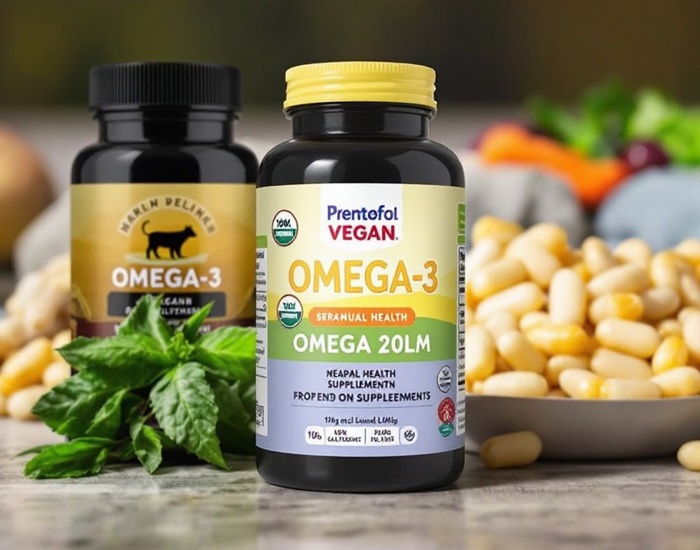
Vegan Omega-3 Supplements have quickly moved from niche shelves into mainstream nutrition — and for good reason. For decades, fish oil dominated the conversation around brain health, heart support, and inflammation. But now, plant-based nutrition has stepped forward with sustainable, clean, and remarkably effective alternatives that deliver the same benefits — without relying on marine life.
What many people still don’t realise is that fish aren’t the original source of omega-3. The nutrients come from the algae they consume — which means we can go straight to the source. Thanks to new extraction methods and advances in supplement science, plant-based omega-3 sources like algae oil, flaxseed, and chia now offer direct, bioavailable EPA and DHA with zero compromise on ethics or potency.
For those of us choosing to eat more consciously — whether for the environment, digestive comfort, or overall health — these alternatives aren’t just helpful. They’re essential. Personally, I found that making the switch to algae-based capsules and ALA-rich seeds helped reduce my joint stiffness, sharpened my mental clarity, and gave me confidence in what I was fueling my body with.
If you’ve been wondering whether vegan omega-3 supplements in the UK are potent enough or worth the investment, this guide will give you clear, science-backed answers. From algae-based capsules to omega-rich seeds, we’ll explore the best sources to support everything from your cognition and cardiovascular health to hormone balance and healthy aging.
You’ll also find insight into how to pair these sources with your daily meals, wellness goals, or even a broader plant-based grocery plan. When your nutrition reflects your values and supports your vitality, the benefits go far beyond numbers on a label.
Let’s dive into the 10 most effective Vegan Omega-3 Supplements — and how you can start using them to fuel your day, naturally and responsibly.
Contents
- 1 1: Algae-Based Omega-3 – A Sustainable Powerhouse
- 2 Why are algae-based supplements worth the switch?
- 3 2: Chia Seeds – Tiny Seeds with Tremendous Benefits
- 4 Why chia seeds deserve a spot in your pantry:
- 5 3: Flaxseeds – The Time-Tested Omega-3 Hero
- 6 Why flax deserves daily attention:
- 7 4: Hemp Seeds – Balanced Omega-3 to Omega-6 in One Scoop
- 8 Why hemp seeds are a no-brainer for daily use:
- 9 5. Walnuts – The Brain-Boosting, Heart-Loving Snack
- 10 Why walnuts are a nutritional no-brainer:
- 11 6. Seaweed and Algae – Natural Marine Omega-3 Without the Fish
- 12 Why seaweed and algae are essential for vegans:
- 13 7. Flaxseed Oil – A Versatile Vegan Omega-3 Booster
- 14 Why flaxseed oil is worth the shelf space:
- 15 8. Vegan Omega-3 Capsules with DHA + EPA – Clinical-Grade Essentials
- 16 Why clinical-grade vegan capsules are top-tier:
- 17 9. Pumpkin Seeds – The Underrated Anti-Inflammatory Seed
- 18 10. Perilla Oil – Asia’s Secret Vegan Omega-3 Gem
- 19 Why perilla oil is worth exploring:
- 20 Top 10 Vegan Omega-3 Supplements Compared
- 21 Takeaway – Why Vegan Omega-3s Belong in Your Daily Routine
- 22 Frequently Asked Questions
1: Algae-Based Omega-3 – A Sustainable Powerhouse
Vegan Omega-3 Supplements made from algae oil are rewriting the narrative on plant-based nutrition. Unlike fish, algae are the source of EPA and DHA — the two long-chain omega-3 fatty acids your body needs for brain, eye, and cardiovascular health.
Algae oil is especially effective for those on a plant-based diet, delivering optimal omega-3 levels without the heavy metals, mercury, or ecological damage associated with fish oil.
You’ll find it in top-rated products like Dr Vegan Omega 3, which delivers 550mg of omega-3 per serving from pure algae oil.
Why are algae-based supplements worth the switch?
Sustainably farmed; zero impact on marine ecosystems
Naturally rich in EPA and DHA — no fish needed
Ideal for those following a plant-based meal plan for beginners
Purity tested and free from ocean-borne toxins
Highly bioavailable — meaning your body absorbs more
According to Verywell Health, algae oil is “a safer, more sustainable alternative to fish oil, suitable for those seeking vegan omega-3 with full efficacy.”
2: Chia Seeds – Tiny Seeds with Tremendous Benefits
You don’t need pills or capsules to boost your omega-3 intake. Chia seeds, one of the richest plant-based omega-3 sources, provide ALA (alpha-linolenic acid) — the foundation of anti-inflammatory support and brain health.
Chia seeds are incredibly versatile. I recommend sprinkling them on porridge, baking them into muffins, or soaking them overnight in almond milk for a fibre-rich pudding.
When used consistently, chia seeds contribute to long-term wellness — especially in heart function and digestion. It’s a gentle addition to support your gut, especially if you’re already using strategies to improve your gut health naturally.
Why chia seeds deserve a spot in your pantry:
5g of omega-3 per 2 tbsp — excellent for ALA needs
Fibre-rich and beneficial for blood sugar balance
Anti-inflammatory and antioxidant-rich
Easy to blend into smoothies, oats, or protein snacks
Enhances any plant-based grocery plan
Healthline calls chia “one of the easiest and most nutrient-dense ways to get daily omega-3s without any supplements.”
3: Flaxseeds – The Time-Tested Omega-3 Hero
Flaxseeds have long been revered as a powerful plant-based omega-3 source, offering anti-inflammatory benefits and hormone-balancing potential. Each tablespoon of ground flax delivers around 2.4g of ALA, making it a concentrated, affordable choice for your daily needs.
You’ll find them widely used in gut-healing diets, especially for people working toward healthier digestion or hormone regulation — a good companion to any natural nutrition strategy.
Why flax deserves daily attention:
2.4g ALA per tablespoon — incredibly rich
Supports cholesterol regulation and blood pressure
Can be used in baking, smoothies, and cereals
Pairs well with high-protein meal plans
Easily stored and cost-effective
Healthline calls flax “a fibre-rich, omega-packed staple that supports both brain and bowel health.”
4: Hemp Seeds – Balanced Omega-3 to Omega-6 in One Scoop
For those who want nutritional balance in every bite, hemp seeds offer a perfectly aligned omega-3 to omega-6 ratio — ideal for controlling inflammation and maintaining cardiovascular health.
They’re protein-rich, iron-rich, and incredibly digestible, especially for those with sensitive stomachs or dairy-free diets. I often recommend them for seniors or anyone looking to integrate clean, plant-based omega-3s into their daily nutrition.
Sprinkle hemp hearts on avocado toast, blend them into smoothies, or mix them into homemade energy bars. Bonus: They’re rich in magnesium — a key mineral for sleep and muscle recovery. For those focused on better sleep and relaxation, it’s a win-win.
Why hemp seeds are a no-brainer for daily use:
1g ALA per tablespoon, plus protein and fibre
Contains GLA (gamma-linolenic acid) for inflammation support
Natural energy booster with zero bloating
Supports sleep, focus, and circulation
Easy to incorporate into a wellness routine for busy people
EatingWell notes that hemp seeds are “among the few plant-based foods that provide all essential amino acids plus a healthy omega-3 ratio.”
5. Walnuts – The Brain-Boosting, Heart-Loving Snack
Few foods are as universally praised as walnuts when it comes to plant-based omega-3 nutrition. These crunchy powerhouses are packed with alpha-linolenic acid (ALA), a key omega-3 fatty acid linked to improved cardiovascular function, reduced inflammation, and brain health.
A small daily handful — roughly 28 grams — provides about 2.5 grams of ALA, making walnuts one of the richest vegan omega-3 supplements in whole food form. I’ve often recommended them to clients looking for a food-first approach to their nutritional gaps. They work remarkably well as an afternoon snack or when added to morning oats.
Beyond omega-3s, walnuts contain antioxidants, vitamin E, and polyphenols that have been shown to support memory and cognitive function, particularly in adults over 50. For anyone following a clean eating plan, they’re also a natural fit within a plant-based protein plan for seniors.
Why walnuts are a nutritional no-brainer:
2.5g of ALA per small handful
Backed by studies for brain and heart health
Easy to eat daily: raw, toasted, or blended
Pairs well with fibre-focused diets for weight control
Compliments remarkably healthy habits that promote longevity
EatingWell ranks walnuts among the top anti-inflammatory snacks for adults looking to manage blood pressure and cognitive sharpness naturally.
6. Seaweed and Algae – Natural Marine Omega-3 Without the Fish
If you’re avoiding fish but still want a direct source of EPA and DHA, edible seaweeds and algae supplements are a powerful alternative. Found in sushi, soups, and marine-based capsules, seaweed varieties like nori, wakame, and dulse naturally contain omega-3 and offer additional minerals like iodine and calcium.
But when higher therapeutic doses are needed, algae oil capsules take centre stage. These are the most effective vegan omega-3 supplements for those needing a true EPA/DHA equivalent to fish oil, especially for cognitive health and inflammation support.
Incorporating seaweed into meals a few times a week is simple. I like using nori sheets to wrap veggie rolls or sprinkling dulse flakes on avocado toast. For seniors managing inflammation or early memory loss, pairing seaweed meals with a dedicated algae oil supplement can deliver powerful results. Many clients have layered this approach into their anti-inflammatory exercise and diet routines with excellent outcomes.
Why seaweed and algae are essential for vegans:
Provide EPA & DHA directly from marine plants
Iodine-rich for thyroid and metabolic health
Available in both culinary and capsule form
Gentle on digestion and allergy-safe
Boosts omega-3 intake in plant-based wellness plans
PCRM confirms algae-based omega-3 as a scientifically proven, fish-free source for comprehensive brain and heart protection.
7. Flaxseed Oil – A Versatile Vegan Omega-3 Booster
For those who prefer liquid supplements over capsules or whole seeds, flaxseed oil provides a convenient and concentrated source of plant-based omega-3. Just one tablespoon delivers over 7g of ALA, making it one of the richest vegan omega-3 supplements available — especially for individuals focused on heart and hormone support.
Unlike fish oil, flaxseed oil has a mild, nutty flavour and blends beautifully into salad dressings, porridge, and smoothies. It’s best used raw to preserve nutrient quality. Many women over 40 have incorporated it into their daily routines to support healthy cholesterol and reduce inflammation linked to stress.
If you’re looking for a plant-based omega-3 source for hormonal balance, digestion, and heart wellness, flaxseed oil is an affordable, gentle option.
Why flaxseed oil is worth the shelf space:
One of the highest ALA sources per serving
Cold-pressed versions retain nutritional potency
Combines well with cucumber-coffee wellness drinks
Easy to use in everyday meals and skin routines
It may reduce blood pressure and cholesterol naturally
BBC Good Food confirms flaxseed’s role in supporting cardiovascular and digestive health, especially for older adults.
8. Vegan Omega-3 Capsules with DHA + EPA – Clinical-Grade Essentials
If you’re seeking high-dose, clinical-strength support for cognition, eye health, or cardiovascular repair, algae-based DHA and EPA supplements are your best bet. Brands like MyVegan Omega-3 Plus and Wild Nutrition Vegan Omega 3 provide exact dosing equivalent to premium fish oil — but without toxins, fishy aftertaste, or ethical compromise.
These capsules are often recommended by integrative dietitians for seniors managing memory concerns, vision changes, or inflammatory conditions like arthritis. They’re also a top option for those following a low-carb or keto-aligned plant-based diet who may lack sufficient omega-3 from food alone.
What’s more, many of these softgels include antioxidants like astaxanthin or vitamin E for oxidative stress protection, making them true vegan omega-3 powerhouses.
Why clinical-grade vegan capsules are top-tier:
Offer high-dose EPA and DHA (200–500mg+ each)
Excellent for cognition, vision, and inflammation
Ideal for seniors and active adults with higher needs
Fish-free, mercury-free, ocean-safe
Align with modern UK supplement trends
The Grand view research ranks these softgels among the most effective and sustainable solutions for vegan-friendly omega-3 support.
9. Pumpkin Seeds – The Underrated Anti-Inflammatory Seed
Often overlooked in omega-3 conversations, pumpkin seeds deliver a modest but meaningful amount of ALA while packing a powerful punch of zinc, magnesium, and plant-based iron.
They’re especially useful for vegans and vegetarians with inflammatory conditions or nutrient absorption issues. I frequently recommend pumpkin seeds for those struggling with energy dips, hormone swings, or muscle fatigue. Just a quarter cup offers nearly 2.7g of ALA, along with essential micronutrients that support immune function, sleep, and recovery.
Their high magnesium content makes them an ideal bedtime snack, especially when paired with natural sleep-support supplements or included in your morning gut-boosting routine.
Why pumpkin seeds are worth a second look:
Anti-inflammatory ALA content
Rich in magnesium and immune-boosting zinc
Perfect for sleep, hormone balance, and recovery
Combines well with oats, yogurt, or energy bars
A smart snack in body-fat-focused meal plans
Harvard Health highlights pumpkin seeds as one of the most nutrient-dense plant-based foods for brain, bone, and cardiovascular health.
10. Perilla Oil – Asia’s Secret Vegan Omega-3 Gem
If you’re looking for a unique, internationally trusted vegan source of omega-3, perilla oil may be your missing link. Popular in Korean and Japanese cooking, perilla seeds contain a highly concentrated form of ALA — and the oil extracted from them delivers up to 60% omega-3 fatty acids.
Perilla oil has been studied for its role in reducing allergy symptoms, enhancing mood, and supporting cognitive longevity. For vegans in the UK exploring new options beyond flax and chia, this plant-based omega-3 source offers both functional and culinary benefits.
You can drizzle it over cooked vegetables, mix it into dressings, or blend it into warm teas. It’s also ideal for those seeking variation in their wellness routine for busy women or anti-aging nutrition.
Why perilla oil is worth exploring:
60% ALA content — among the highest available
Known in Eastern medicine for its anti-allergy benefits
Supports mental clarity and emotional wellness
A gentle, non-bloating alternative to flaxseed oil
Fits easily into a plant-based lifestyle
Healthline notes that perilla oil “offers one of the most potent vegan omega-3 concentrations in the plant world, with emerging evidence in brain and skin health.”
Top 10 Vegan Omega-3 Supplements Compared
| Source | Omega-3 Type | Primary Benefit | Best Use Case |
|---|---|---|---|
| Algae Oil (Dr Vegan, MyVegan) | DHA + EPA | Heart & Brain Health | Daily supplement alternative to fish oil |
| Chia Seeds | ALA | Anti-inflammatory, digestive health | Oats, smoothies, baking |
| Flaxseeds | ALA | Hormonal balance, gut health | Ground or oil, added to cereals |
| Hemp Seeds | ALA + GLA | Balanced fatty acids | Snacks, protein smoothies |
| Walnuts | ALA | Brain and cardiovascular support | Daily snack, baking |
| Seaweed & Algae (Whole Food) | DHA + EPA | Thyroid & marine micronutrients | Sushi, soups, seaweed snacks |
| Flaxseed Oil | ALA | High potency & cholesterol control | Dressings, morning spoonful |
| Vegan DHA+EPA Capsules | DHA + EPA | Memory, inflammation, eye health | Supplement form only |
| Pumpkin Seeds | ALA | Sleep, immune support | Snacking, granola bars |
| Perilla Oil | ALA | Anti-allergy & anti-aging | Eastern cuisine, warm drinks |
Takeaway – Why Vegan Omega-3s Belong in Your Daily Routine
Switching to Vegan Omega-3 Supplements isn’t just about cutting out fish oil — it’s about building a smarter, cleaner foundation for long-term wellness. Whether you’re supporting brain function, calming inflammation, balancing hormones, or enhancing your cardiovascular system, there’s a plant-based omega-3 option that fits your life and values.
You don’t need to overhaul your routine overnight. Many of the solutions we’ve covered — from algae capsules to chia pudding — are small additions that can make a big difference. And when paired with broader healthy habits, like a plant-based diet grocery strategy or a morning exercise ritual, the effects multiply.
What makes these options even more powerful is that they come from sustainable, ethical sources — supporting both your health and the planet’s. If you’ve ever questioned whether plant-based omega-3 sources could truly deliver results, the science and stories say yes.
Your future self — sharper, calmer, and stronger — will thank you for starting today.
Frequently Asked Questions
What is the best vegan omega-3 supplement for DHA and EPA?
Algae oil capsules like Dr Vegan Omega 3 or Wild Nutrition Vegan Omega 3 offer the most complete vegan options, providing both DHA and EPA — the long-chain omega-3s essential for heart and brain health.
Are chia seeds or flaxseed oil better for daily omega-3 intake?
Both are rich in ALA, but flaxseed oil delivers a higher dose in smaller servings. Chia seeds are better for fibre and digestion, while flaxseed oil is ideal for cholesterol and hormone support.
Can plant-based omega-3 help with inflammation and joint pain?
Yes. ALA from seeds and DHA/EPA from algae have been shown to reduce systemic inflammation. Pairing with [exercise routines that support gut health](https://bettercaresolutions.uk/exercise-can-lead-to-a-healthy-gut/) enhances results.
Are vegan omega-3 supplements as effective as fish oil?
When sourced from algae, yes. Algae oil provides the same types of omega-3s as fish — without the toxins, environmental harm, or ethical concerns.
How should I incorporate these into my diet?
Add seeds to smoothies or oats, use flaxseed/perilla oils in salad dressings, and take algae-based capsules daily. Combine with a [plant-based meal plan](https://bettercaresolutions.uk/plant-based-meal-plan-for-beginners/) for maximum benefits.
